


Treadmill Price
Add a review FollowOverview
-
Posted Jobs 0
-
Viewed 25
Company Description
10 Unexpected Walking Machine Tips
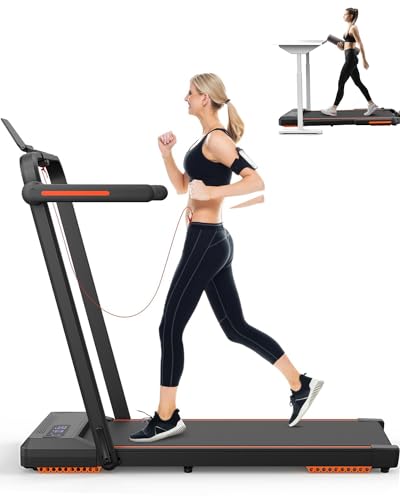
The Walking Machine: A Comprehensive Guide to Your Fitness Companion
In today’s busy world, where time is a luxury, preserving a consistent exercise routine can be a challenge. For many, a walking machine– frequently referred to as a Treadmill near me— works as an ideal fitness companion. This post provides a thorough appearance at walking machines, including their benefits, types, maintenance pointers, and often asked questions.
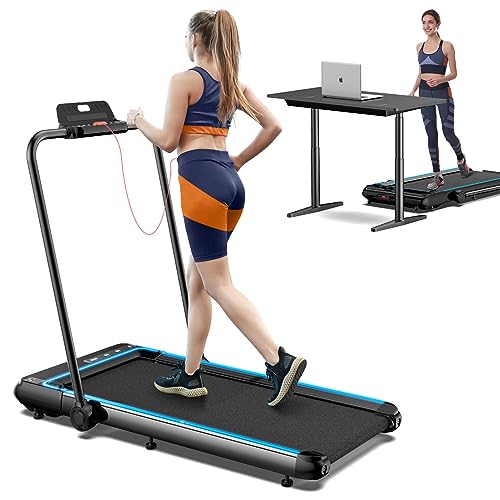
Why Choose a Walking Machine?
Walking machines offer a useful and reliable method to incorporate cardiovascular workout into life. Here are numerous essential advantages:
- Convenience: Walking machines permit people to work out anytime, no matter climate condition or time restrictions. They are best for hectic schedules.
- Flexibility: Users can stroll, jog, or run at their own speed and strength.
- Safety: Walking machines present a lower risk of injury compared to outside walking or running, specifically for novices or those recovering from injuries.
- Tracking Progress: Many treadmills come with built-in displays that track metrics like speed, range, and calories burned.
Kinds Of Walking Machines
When thinking about a walking machine, it’s essential to pick the right type based upon specific fitness goals and area restraints. Below are the main types of walking machines:
| Manual Treadmills | These machines do not have a motor, and users need to stroll or run to rotate the belt. |
| Electric Treadmills | Powered by an electric motor, allowing users to set the speed and incline easily. |
| Folding Treadmills | Created for easy storage, these treadmills can be folded when not in usage. |
| Desk Treadmills | Suitable for a double work and exercise environment, these compact machines permit walking while working. |
| Slope Trainers | These permit users to replicate uphill walking, boosting workout intensity and calorie burn. |
Selecting the Right Walking Machine
Picking the best walking machine can significantly impact motivation and effectiveness. Here are some aspects to think about:
Key Features to Look For
- Motor Power: A powerful motor ensures a smooth and consistent exercise. For periodic walkers, a 1.5 HP motor is typically sufficient; for much heavier use, look for 3.0 HP and above.
- Belt Size: A broader and longer belt provides more area for a comfy stride. Standard sizes range from 16 inches broad and 50 inches long.
- Incline Options: Adjustable incline settings can simulate walking or running uphill, increasing the strength of the exercise.
- Shock Absorption: Good shock absorption reduces the threat of joint injuries and improves comfort.
- Console Features: Look for built-in workouts, heart rate monitors, and connectivity features like Bluetooth for a more interesting experience.
Spending plan Considerations
Walking machines been available in a wide variety of prices, depending upon functions and construction quality. Here’s a rough budget plan breakdown:
| Under ₤ 300 | Fundamental handbook or little electric treadmills with limited features. |
| ₤ 300 – ₤ 700 | More innovative electric treadmills with incline, medium power motors, and much better guarantees. |
| ₤ 700 – ₤ 1500 | High-quality electric treadmills with larger built-in display screens, substantial functions, and warranties. |
| ₤ 1500 and above | High-end models offering sophisticated technology, features, and resilient construction for severe physical fitness lovers. |
Upkeep Tips for Your Walking Machine
To ensure durability and optimum efficiency of a walking machine, think about the following upkeep ideas:
- Regular Cleaning: Dust and sweat can collect on the machine and the belt. Clean down the surfaces and clean the belt routinely.
- Lubrication: Depending on the model, oiling the running belt periodically can avoid wear and tear. Check the producer guidelines for recommended lubrication schedules.
- Inspection: Periodically check the machine for loose screws or used parts. Tighten and change as needed.
- Calibration: Occasionally, examine the calibration of your machine’s metrics to guarantee they provide precise data.
- Appropriate Use: Follow the maker’s suggestions for weight limitations and operational standards.
FAQs About Walking Machines
1. Are walking machines an excellent exercise?
Yes, walking machines supply an outstanding cardiovascular exercise, can assist with weight-loss, and improve general health.
2. How often should I utilize a walking machine?
Aim for a minimum of 150 minutes of moderate-intensity aerobic activity per week, which can quickly be accomplished with routine sessions on a walking machine.
3. Can I slim down on a walking machine?
Yes, including a walking machine routine into a healthy diet plan can promote weight reduction, specifically if integrated with intervals and incline training.
4. Is it safe for elders to use a walking machine?
Yes, walking machines can be safe for elders with low-impact settings and security features like hand rails. Nevertheless, individuals should speak with their health care supplier before beginning any exercise program.
5. What’s the distinction between a treadmill and a walking machine?
The term “walking machine” usually describes a treadmill planned for walking, while “treadmill” can describe machines utilized for different intensities, including running.
With their adaptability and benefit, walking machines can substantially improve one’s physical fitness journey. By carefully picking the ideal type, guaranteeing correct maintenance, and including different exercise strategies, users can maximize their walking machine’s benefits. As with any workout program, consistency is essential to achieving enduring physical fitness outcomes.