


Online Cots
Add a review FollowOverview
-
Posted Jobs 0
-
Viewed 67
Company Description
What’s The Job Market For Baby Cot Beds Professionals?
Baby Cot Beds: The Perfect Haven for Your Little One
The arrival of a newborn brings tremendous happiness and extensive modifications in lifestyle for any household. Among the most critical decisions moms and dads face is choosing the ideal sleep environment for their baby. A baby cot bed is more than simply a furniture piece; it is a sanctuary where kids will invest a substantial amount of their early years. This post delves into the different aspects of baby cot beds, consisting of types, advantages, features to consider, and answers to common concerns.
What is a Baby Cot Bed?
A baby cot bed, typically described simply as a cot, is a little bed designed particularly for babies and toddlers. Unlike standard cribs, cot beds can usually convert into toddler beds or junior beds, making them versatile alternatives for growing households. The design and safety steps implemented in baby cot beds guarantee that infants have a safe and comfortable sleeping environment.
Types of Baby Cot Beds
When picking a baby cot bed, moms and dads have several alternatives. Below is a table summing up the common types of baby cot beds readily available on the market:
| Requirement Cot | A timeless style with repaired sides. Often includes adjustable mattress heights. | Cost-effective and space-saving. |
| Convertible Cot | Can change into a young child bed or even a full-size bed. | Grows with the child, optimizing financial investment. |
| Portable Cot | Light-weight and collapsible; easy to transportation. Ideal for travel. | Convenience and versatility for on-the-go families. |
| Moses Basket | A little, portable basket for babies, normally used for the first couple of months. | Easy to walk around the home and soothing for babies. |
| Cradle | A rocking bed developed to soothe babies to sleep. | Gentle motion can help lull infants into slumber. |
Important Features to Consider
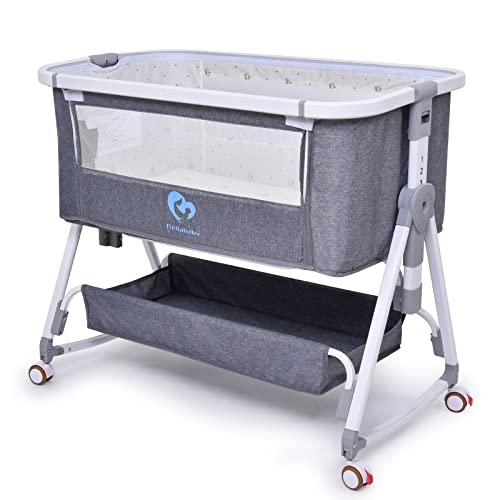
When choosing a baby cot bed, a number of crucial functions must be taken into consideration to guarantee safety and convenience. Here are some vital aspects:
-
Safety Standards: Ensure that the cot bed satisfies the appropriate security standards set by regulative bodies. This certification ensures the product’s safety for infants.
-
Material Composition: Look for cot beds made from non-toxic and hypoallergenic materials. Solid wood choices tend to be more durable and safer than composites.
-
Adjustable Mattress Height: Many cot beds come with adjustable bed mattress levels, enabling moms and dads to reduce the bed as the child grows. Start with a greater position for newborns and lower it for young children.
-
Size: Consider the size of the cot bed in relation to the space readily available in your nursery. Cot beds typically can be found in standard sizes, but double-check the dimensions.
-
Mattress Quality: The mattress ought to be firm and fit snugly within the cot to prevent any gaps. Look for breathable materials for improved airflow.
-
Relieve of Assembly: Choose a cot bed that is easy to put together and dismantle, specifically if you plan to move it around your house or travel.
-
Style & & Aesthetics: While safety and performance are vital, consider the design and surface of the cot bed to match your nursery decor.
Advantages of Using a Baby Cot Bed
A baby cot bed offers many benefits that add to a child’s wellness and comfort.
- Security First: Cot beds are developed with safety in mind, featuring strong sides and sound frameworks to avoid falls.
- Comfortable Sleeping Environment: The designated area encourages an excellent sleeping routine, crucial for an infant’s development and advancement.
- Versatile Options: Many cot beds convert into beds, allowing moms and dads to utilize them for a number of years, which can be cost-efficient.
- Reduce of Access: Revolutionary develops now enable moms and dads quick access to their sleeping babies, easing feeding or soothing.
- Visual Appeal: Cot beds come in various designs and colors, improving the nursery’s decoration while supplying a devoted space for the baby.
Often Asked Questions (FAQs)
1. At what age can I transition my baby from a cot to a young child bed?
Most moms and dads shift their children from a cot bed to a toddler bed when they reach about 2-3 years old. Indications may include climbing up out of the cot or considerable growth.
2. How do I choose the right mattress for a cot bed?
Select a company mattress that fits snugly in the cot bed frame. Ensure that it is made from breathable, hypoallergenic products for optimum safety and comfort.
3. Are cot beds safe for newborns?
Yes, baby cot beds are developed to keep newborns safe. Search for ones that meet safety guidelines and have functions like adjustable heights.
4. Can I use a cot bed from birth?
Absolutely! Numerous cot beds are designed to accommodate newborns, specifically those with adjustable mattress heights.
5. How can I ensure my newborn sleeps safely in a cot bed?
To guarantee security, constantly put your baby on their back to sleep, avoid using heavy bed linen or toys in the cot, and regularly check that the mattress fits comfortably without gaps.
6. What materials should I avoid when picking a cot bed?
Avoid cot beds made from products including hazardous chemicals or heavy finishes, such as lead-based paints or artificial products that may produce toxic substances.
Choosing the right baby cot bed is among the most important choices moms and dads will make in preparation for their kid’s arrival. With different choices, security functions, and styles offered, there is a best suitable for every family. By focusing on safety, convenience, and design, parents can create a nurturing sleeping environment that will benefit their kid for many years to come. Whether selecting a convertible cot, portable option, or standard design, each choice offers special benefits that can cater to the needs of growing households.