


Best Crib Newborn
Add a review FollowOverview
-
Posted Jobs 0
-
Viewed 90
Company Description
The 10 Most Terrifying Things About Baby Cot Bed
The Ultimate Guide to Choosing a Baby Cot Bed: Safety, Features, and More
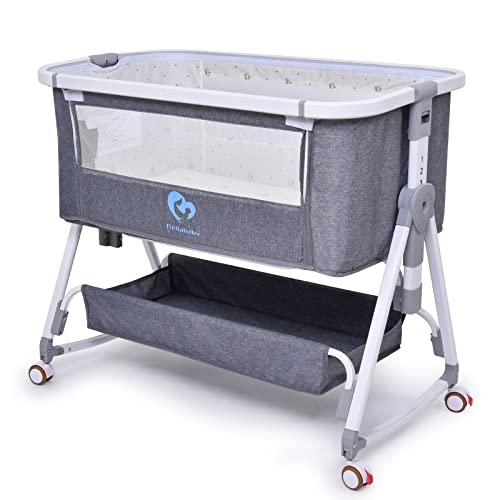
When it comes to inviting a new baby, one of the most crucial purchases moms and dads will make is a baby cot bed. This necessary furniture piece is not only where a baby will sleep; it’s likewise a space of convenience, security, and security. Offered the wide variety of alternatives readily available on the marketplace today, making an informed choice can be frustrating. This guide aims to streamline the procedure by covering important functions, security standards, types of cot beds, and far more.
Table of Contents
- Intro
- What is a Baby Cot Bed?
- Security Standards
- Types of Baby Cot Beds
- 4.1 Traditional Cots
- 4.2 Convertible Cot Beds
- 4.3 Portable Cots
- Key Features to Consider
- Choosing the Right Mattress
- Establishing the Cot Bed
- Frequently asked questions
- Conclusion
1. Introduction
A baby cot bed acts as a devoted sleeping area for infants and is developed to supply convenience and security. As new moms and dads navigate the various options available, it is important to understand the different types of cot beds, security guidelines, and essential features to make the best selection.
2. What is a Baby Cot Bed?
A baby cot bed is a specialized furniture piece where babies sleep. Unlike regular beds, cot beds are particularly developed for babies and supply a safe environment for them to rest. They typically include high sides to avoid infants from falling out and frequently featured adjustable mattress heights to accommodate a growing child.
3. Safety Standards
When choosing a baby cot bed, security must be the foremost consideration. Here are some important safety requirements to keep in mind:
- Certification: Ensure the cot bed satisfies nationwide and worldwide safety standards, such as the ASTM International and Consumer Product Safety Commission (CPSC) regulations.
- Slat Spacing: The distance between slats ought to not exceed 2 3/8 inches to avoid the baby’s head from slipping through.
- Stability: Ensure that the cot bed does not wobble or shake.
- Non-Toxic Materials: Check for non-toxic surfaces and materials to make sure the baby’s safety.
4. Kinds Of Baby Cot Beds
The market offers various kinds of cot beds, each catering to different requirements. Below is an outline of the most common types:
4.1 Traditional Cots
Conventional cots are standalone furnishings products developed particularly for babies. They usually come with fixed sides and numerous adjustable bed mattress heights.
4.2 Convertible Cot Beds
Convertible cot beds can be changed into toddler beds, enabling for extended usage. This type is a cost-effective option as it grows with your kid.
4.3 Portable Cots
Portable cots, likewise called travel cots or playards, are light-weight and created for families on the go. They can be quickly assembled and dismantled for travel.
5. Secret Features to Consider
When picking a cot bed, parents must consider the following features:
- Adjustable Mattress Height: This function permits reducing the mattress as the baby grows, making it simpler for parents to lift the child.
- Material Quality: Look for a cot bed made of long lasting, non-toxic wood.
- Safety Features: Some cot beds include rounded edges and extra security locking mechanisms.
- Relieve of Assembly: Check if the cot bed needs minimal tools for assembly and how simple it is to take apart.
- Storage Options: Some cot beds come with built-in drawers for keeping baby fundamentals.
6. Picking the Right Mattress
The ideal bed mattress is essential for your baby’s sleep quality. Here are some pointers for picking an ideal bed mattress:
- Firmness: A mattress should be firm sufficient to prevent the baby from sinking in too deep, reducing the risk of suffocation.
- Breathability: Opt for breathable products to guarantee proper air circulation.
- Water-Resistance: Consider water resistant covers for easy cleaning and hygiene.
7. Establishing the Cot Bed
Installing the cot bed correctly is vital for safety. Here are steps parents ought to follow:
- Choose the Right Location: Place the cot bed away from windows, cables, and other prospective risks.
- Check the Height: Adjust the bed mattress height based on the child’s age and movement.
- Remove Extras: Avoid putting pillows, blankets, or packed toys inside the cot bed when the baby is sleeping.
- Examine Regularly: Regularly check all parts and screws for wear and tear.
8. Frequently asked questions
Q1: At what age should a baby transition from a cot to a bed?
Many kids transition to a young child bed in between 18 months to 3 years, depending upon their advancement and private needs.
Q2: How can I guarantee my baby sleeps securely in their cot bed?
Make sure the cot is totally free of soft bed linen, toys, and anything that might block the baby’s breathing. Follow all security guidelines carefully.
Q3: Is it required to have a separate nursery for the cot bed?
While many moms and dads pick to have a different nursery, it is not a requirement. As long as the cot bed remains in a safe and quiet environment, it can be put in the parents’ bedroom.
Q4: When is it safe to reduce the mattress?
Generally, the bed mattress needs to be reduced when the baby can pull themselves up or when they can sit independently, usually around 6 months.
9. Conclusion
Picking the right baby cot bed is an essential aspect of preparing for a new arrival. Moms and dads must focus on security, performance, and quality, making sure that the cot bed satisfies their household’s special requirements. By putting in the time to research and understand different types of cot beds, moms and dads can provide a safe and comfy sleeping environment for their little one to grow.
With cautious consideration, parents can ensure that the cot bed is not simply a piece of furnishings, however a sanctuary where their baby can sleep soundly throughout those crucial early years.